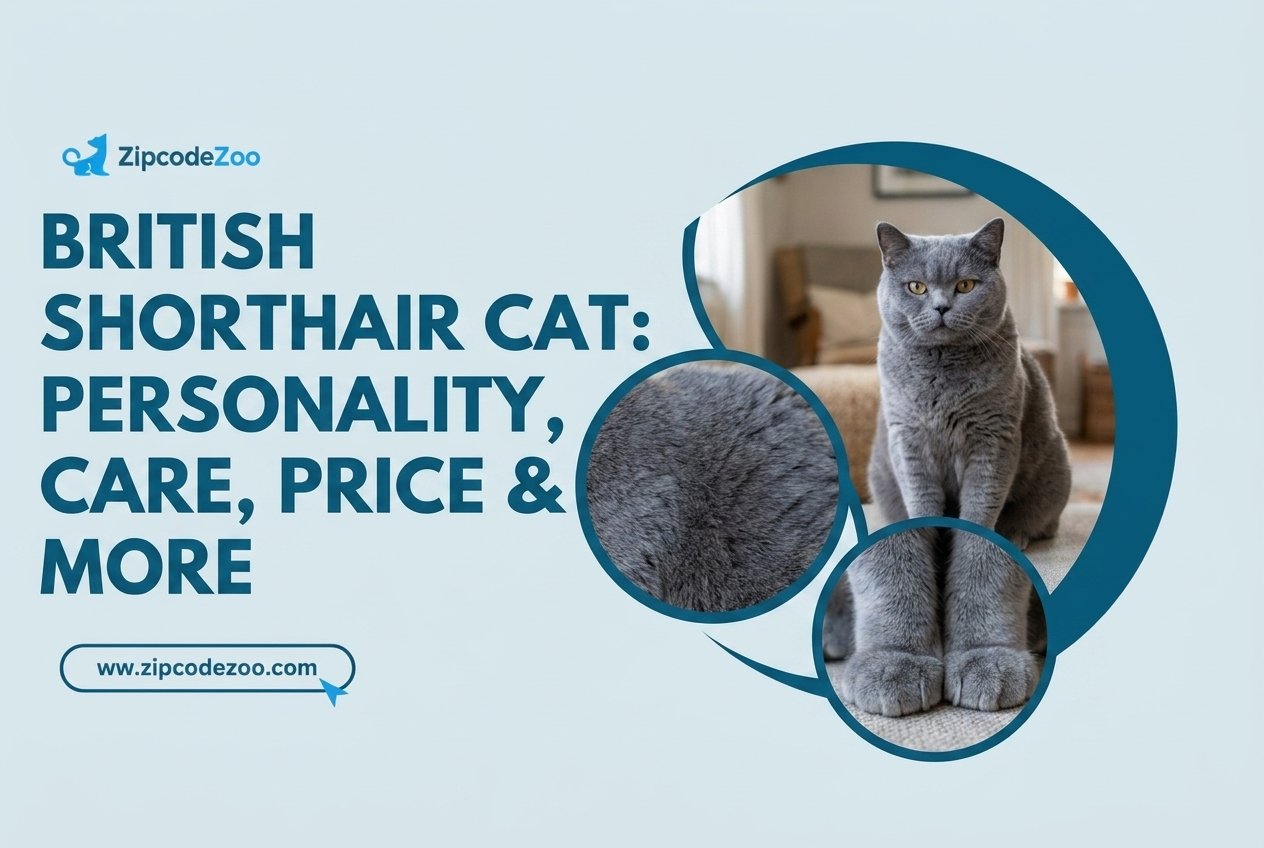
The British Shorthair is a popular cat breed known for its round face, thick coat, and calm personality. They have a cute, teddy-bear-like appearance and are usually easygoing, making them a good choice for families and people living in apartments.
If you’re thinking about getting a British Shorthair, here’s what you should know about the breed.
British Shorthair Appearance
British Shorthairs have a strong, muscular body with a short but very dense coat. Their round cheeks and large eyes give them a distinctive look.
The most famous color is blue-gray, often called the British Blue, but the breed comes in many other colors and patterns, including white, black, cream, red, tabby, and bicolor.
British Shorthair Personality
One of the best things about this breed is its temperament. British Shorthairs are generally calm, friendly, and independent.
They enjoy being around their owners but don’t usually demand attention all the time. You might find your cat sitting beside you or following you around the house rather than constantly asking to be picked up.
They can also get along well with children and other pets when introduced properly.
Are British Shorthairs Good Apartment Cats?
Yes. British Shorthairs can adapt very well to apartment living.
They don’t need a huge home, but they still need some daily playtime. A scratching post, a few toys, and a cat tree or window perch can give them plenty to do indoors.
Because they tend to be less active than some breeds, keeping them moving is also important for maintaining a healthy weight.
Grooming a British Shorthair
Their short coat is fairly easy to look after. Brushing once or twice a week is usually enough to remove loose hair and keep the coat looking good.
You may need to brush more often when they are shedding heavily.
It’s also a good idea to keep their nails trimmed and regularly check their teeth and ears.
What Do British Shorthairs Eat?
A British Shorthair needs a balanced cat food that suits its age and activity level. Portion control is especially important because this breed can be prone to gaining weight.
Fresh water should always be available, and treats should be given in moderation.
If you’re unsure about the right amount of food, your veterinarian can help you choose an appropriate feeding routine.
British Shorthair Health
British Shorthairs are generally sturdy cats, but they can still develop health problems.
Some conditions associated with the breed or its breeding lines include hypertrophic cardiomyopathy (HCM) and obesity. This is one reason it’s important to choose a responsible breeder who takes health screening seriously.
Regular veterinary checkups, a healthy diet, and keeping your cat active can help support its overall health.
British Shorthair Price
The price of a British Shorthair kitten depends on factors such as location, pedigree, color, breeder, and health screening.
A kitten from a reputable breeder may cost more, but you should also expect proper veterinary records and information about the kitten’s parents.
Don’t choose a seller based only on the lowest price. A healthy, properly socialized kitten is much more important.
British Shorthair in Hot Weather
If you live somewhere hot, such as the UAE, make sure your British Shorthair has a cool indoor environment.
Keep fresh water available and use air conditioning when temperatures become extreme. Avoid leaving your cat in enclosed areas without proper ventilation or cooling.
Is a British Shorthair a Good Pet?
For many people, yes. British Shorthairs are calm, affectionate, relatively easy to groom, and comfortable with indoor living.
They’re a particularly good option if you want a cat that enjoys your company but doesn’t need constant attention. Just remember that every cat has its own personality, so spending time with a kitten or adult cat before adopting can help you find the right match.

Guidance Pet
at https://zipcodezoo.comSubscribe to cats Management
Signup for Weekly Updates
Related Posts
Why Is My Cat Meowing More Than Usual? Causes, Signs, and Solutions
If your cat has suddenly become much more vocal, it could signal anything from hunger and boredom to underlying medical issues. Here is how to understand what they are trying to tell you.
16th Sep 2026 by
Guidance Pet
Why Do Cats Lick Their Owners? The Meaning Behind the Sandpaper Tongue
Discover why your cat licks your skin, from social grooming and affection to subtle communication, and learn what to do when licking turns into a gentle bite.
16th Sep 2026 by
Guidance Pet
What Causes a Cat to Purr? Understanding the Science Behind Cat Purring
Purring is perhaps the most iconic and soothing sound associated with cats. While we often […]
27th Aug 2026 by
Guidance Pet
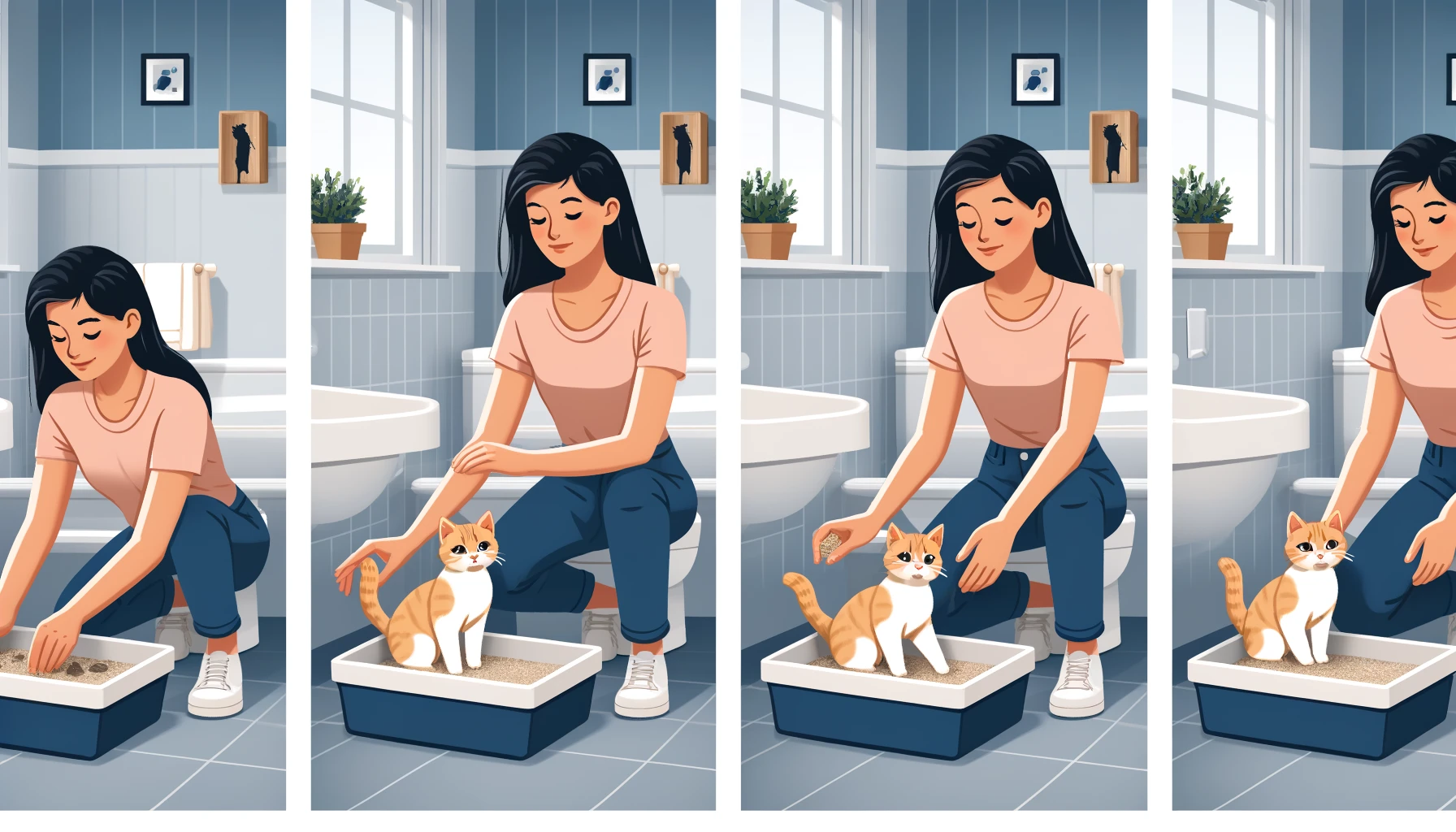
Tricks to teach your cat to use the litter box
Getting a new kitten or cat can be an exciting time. However, one of the […]
12th May 2024 by
Guidance Pet

Brown Cats
10 Most Popular Brown Cat Breeds Brown is a common feline coat color found in […]
22nd Jan 2024 by
Guidance Pet
Comments (0)
No comments found.